
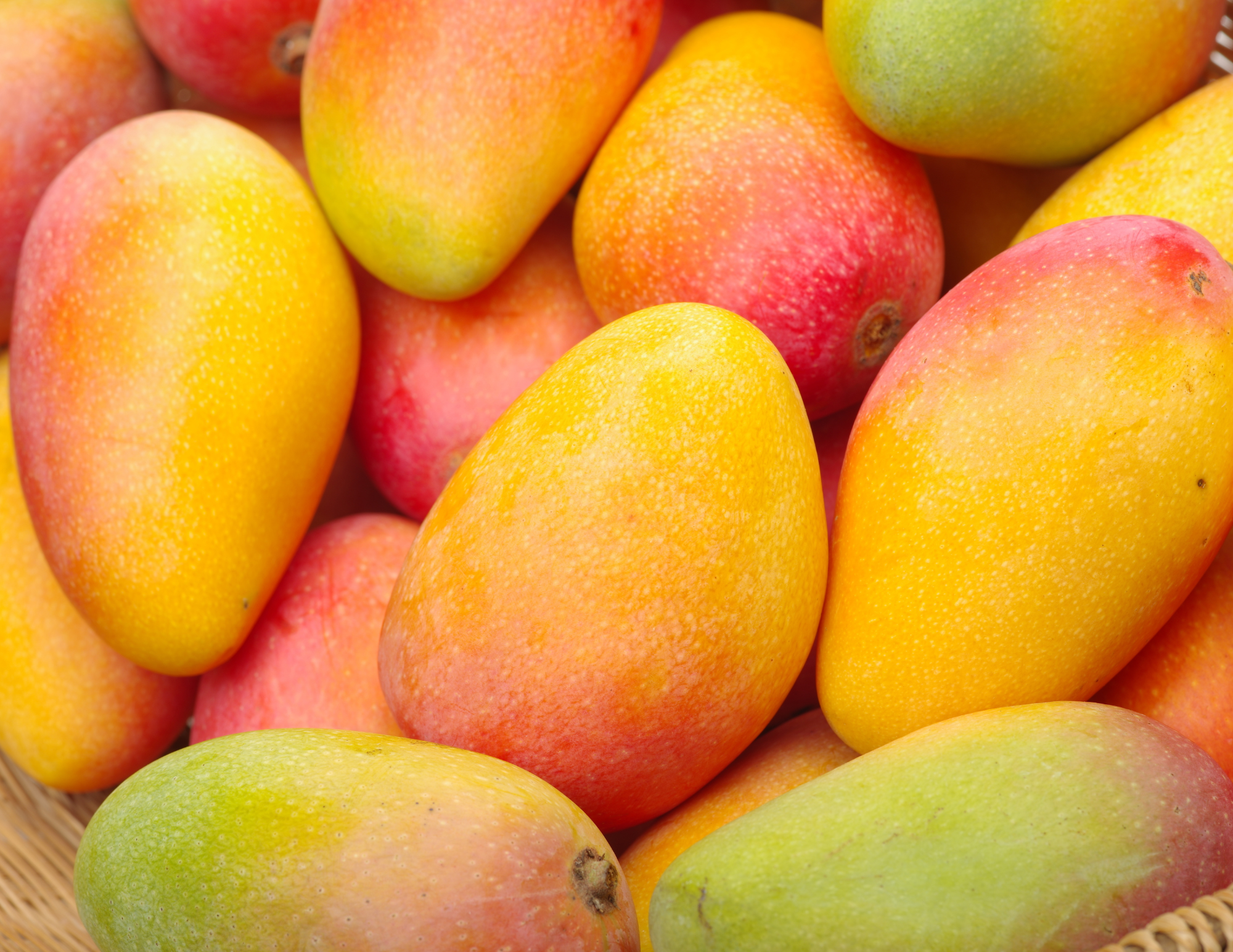
Stop Treating Mango Like a Flavor.
One of the most widely used ingredients in beverage development—often underutilized.
Mango isn’t a trend. It’s the baseline.
Mango is one of the most widely used ingredients in beverage development—and demand continues to grow across categories.
It consistently shows up alongside core flavors like citrus and berry, not as an emerging option, but as a staple.
And unlike most “trendy” flavors, it hasn’t peaked. Consumption continues to climb, with expanding use across RTDs, functional beverages, dairy, and alcoholic applications.
Mango isn’t going anywhere.
And that’s exactly why most formulations get it wrong.
It’s Not Just Mango. It’s How You Build It.
Mango is often treated as a single ingredient—but it’s not. Between variety, origin, and format, mango can behave very differently in a formulation. That variability is where the control comes from—and where most formulations fall short.
Variety & Origin Matter
Mango isn’t a one-note ingredient. With multiple varieties sourced across key growing regions, differences in origin directly impact sweetness, acidity, color, and overall flavor profile—giving you more control over how your formulation performs.
South American mangoes tend to be sweeter and juicier, making them well suited for applications where a more rounded, approachable profile is needed.
Indian mangoes typically bring more floral, aromatic, and slightly green notes—often better suited for savory or more complex flavor systems.
Format Changes Performance
Format isn’t just a processing decision—it directly impacts how mango behaves in your system. From texture and flavor intensity to clarity and cost-in-use, each format serves a different purpose. Choosing the right one—and using it intentionally—can significantly change the outcome of your formulation.
Puree: Builds body, viscosity, and visual impact.
Puree Concentrate: Increased flavor intensity while providing viscosity and supporting cost-in-use optimization.
Clarified Concentrate: Delivers clean, lighter mango notes for clear or low-viscosity systems.
Most formulations don’t account for this—and that’s where performance is lost.
Versatile Across Food & Beverage Applications
Mango shows up across categories for a reason—but performance depends on how it’s used.
Beverage Applications
RTDs & juice blends
Works as a primary flavor or tropical base, with flexibility across single and multi-fruit systemsFunctional & hydration beverages
Acts as a carrier for added ingredients while supporting balance and drinkabilitySparkling & refresher-style drinks
Holds up in carbonated systems without losing flavor impactSmoothies & frozen beverages
Contributes body and texture (puree) or allows for controlled dosing (concentrate)
Food Applications
Sauces & inclusions
Works in glazes, fillings, and layered flavor systemsDairy applications
Supports texture, sweetness, and flavor in yogurt, drinkable dairy, and soft-serveDessert systems
Adapts across indulgent and better-for-you formats, from fruit bases to hybrid applicationsFrozen desserts
Sorbets, ice creams, and fruit-based frozen formats
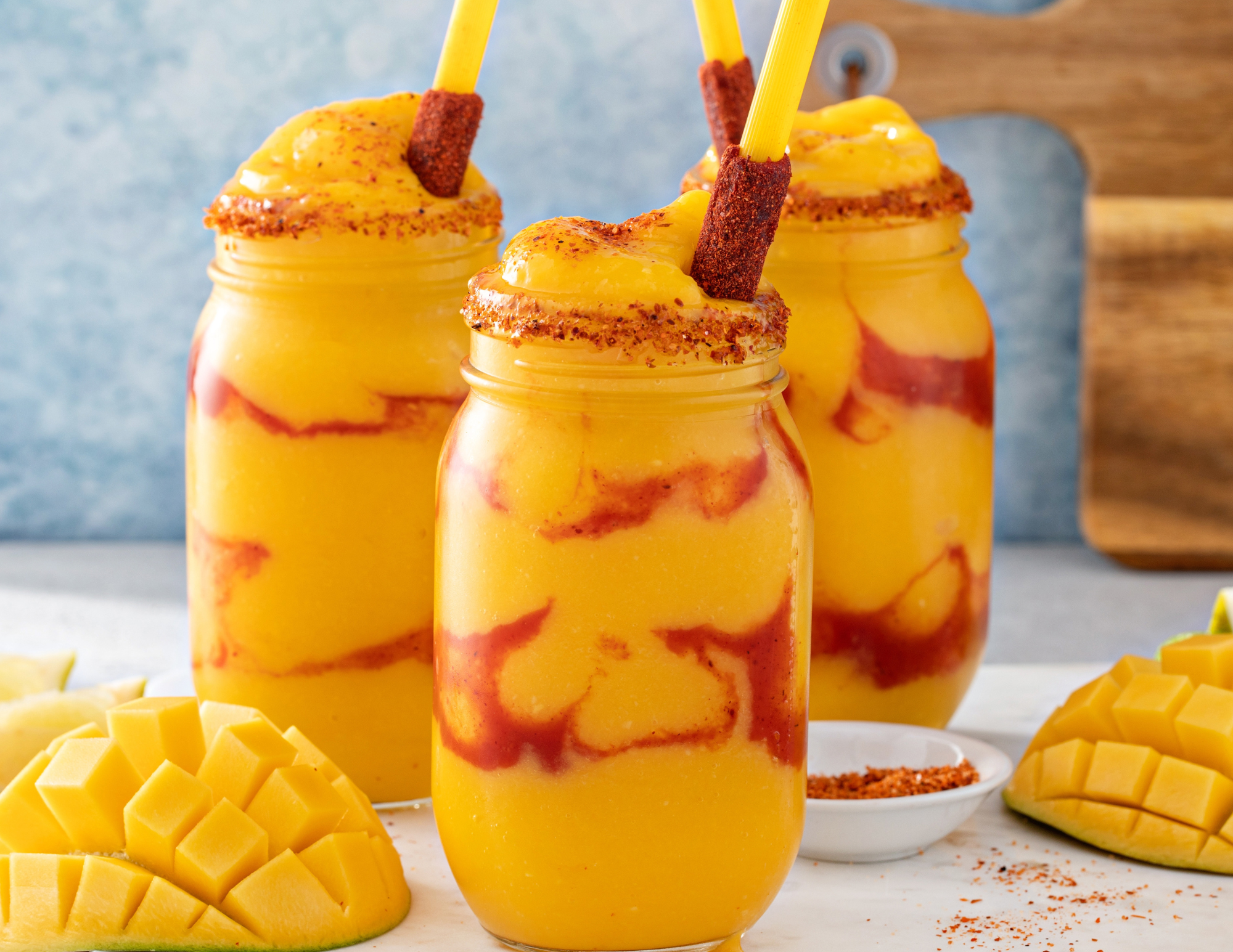
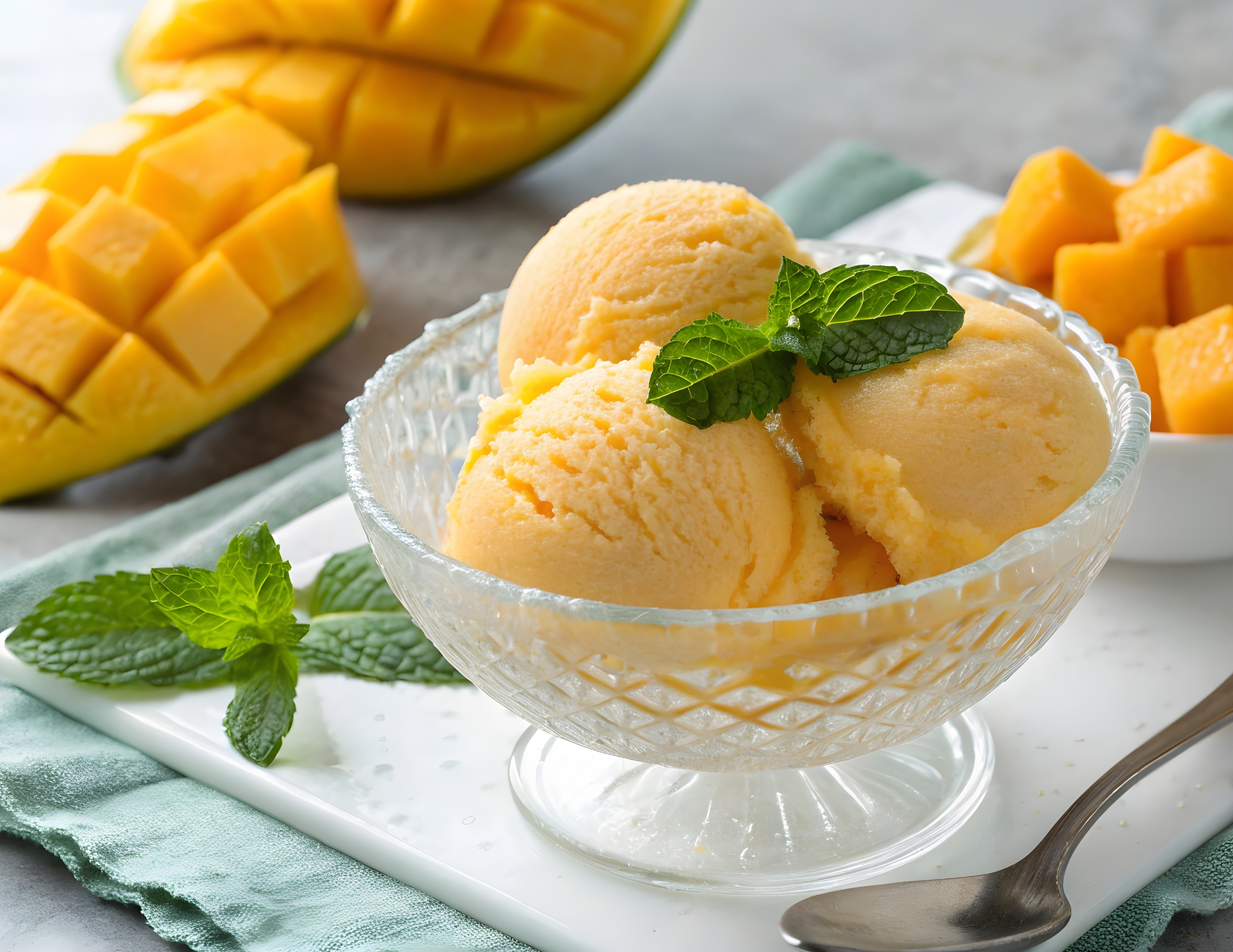
Mango works almost everywhere. The difference is whether it’s doing enough in your formulation.
Make Mango Work Harder
Mango is already a contributing component in your formulation. The question is whether it’s doing enough.
iTi Tropicals is Built to Support How You Actually Formulate
9 Mango Varieties with 4 Countries of Origin
Designed for supply continuity and secondary sourcing when it matters.Samples for formulation and evaluation
Test across varieties, origins, and formatsPricing aligned with volume and timing
Built around your production cycles—not just spot needsForecasting and volume planning
Supporting consistency from development through scaleGuidance on format and application
Helping you choose what actually performs in your system